Ministry of National Strategyየብሔራዊ ስትራቴጂ ሚኒስትር

Ethiopia’s national strategy, planned and measured. 

The Ministry of National Strategy prepares the national development plan, appraises public investment, and monitors and evaluates how the plan is delivered across the whole country.

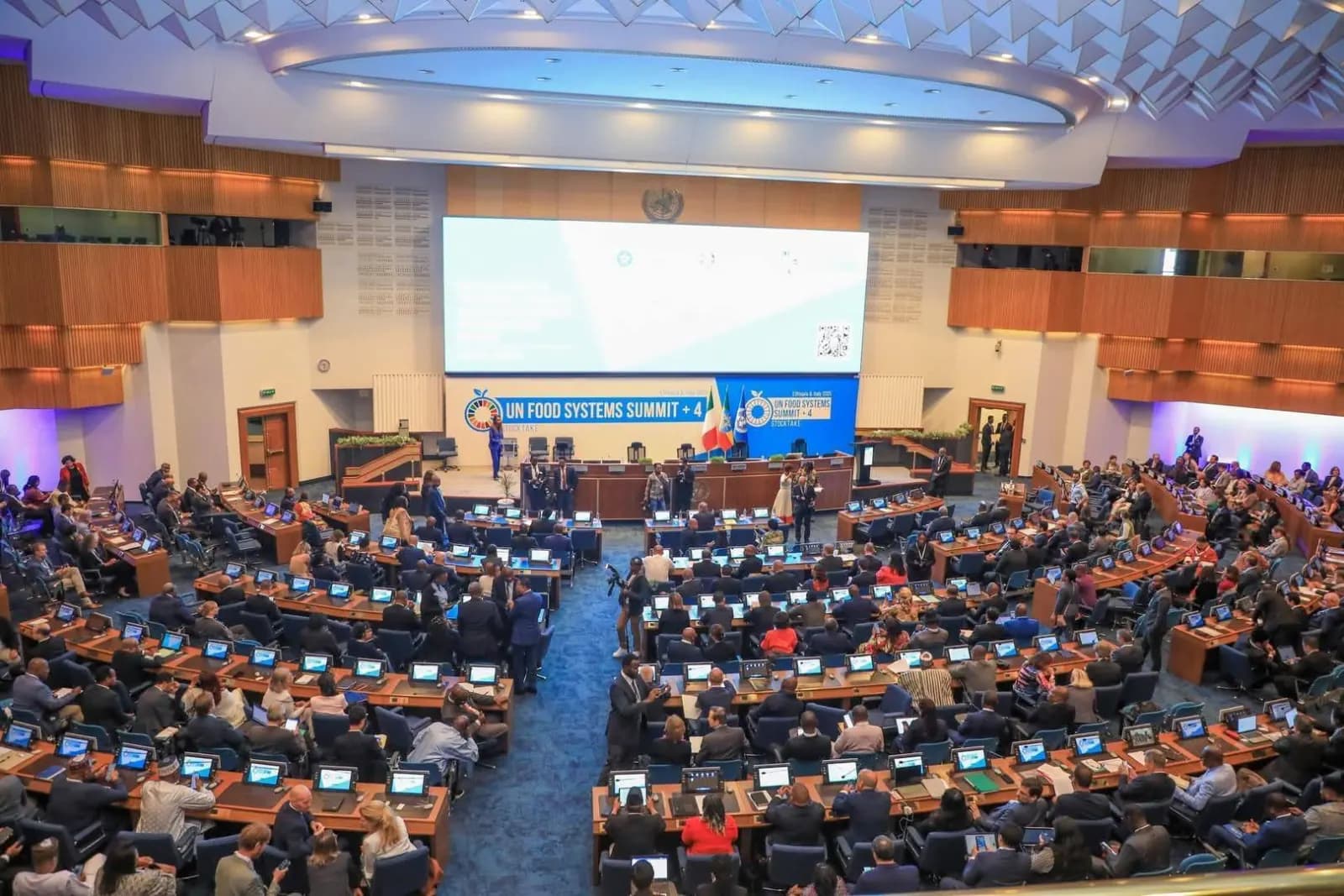
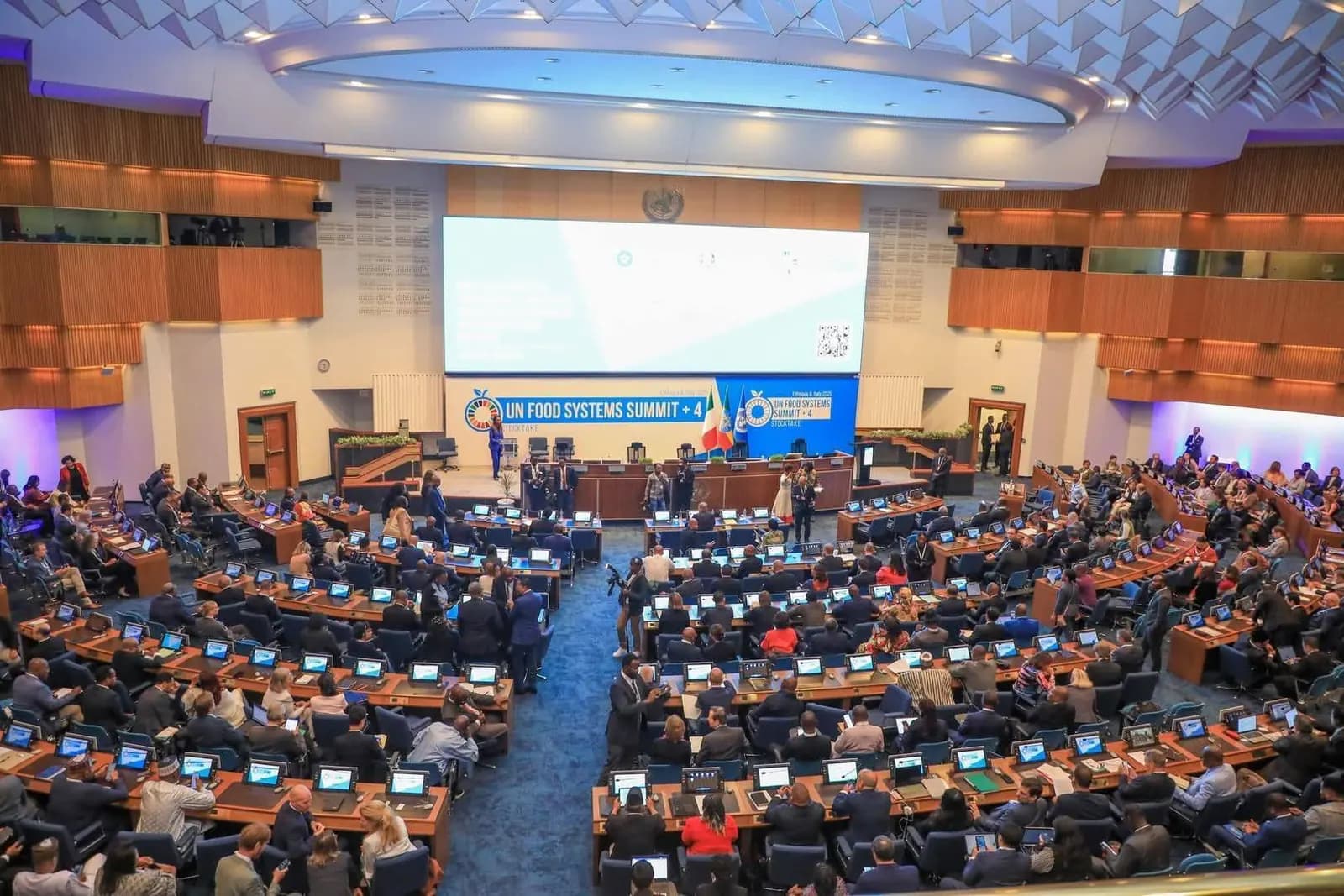
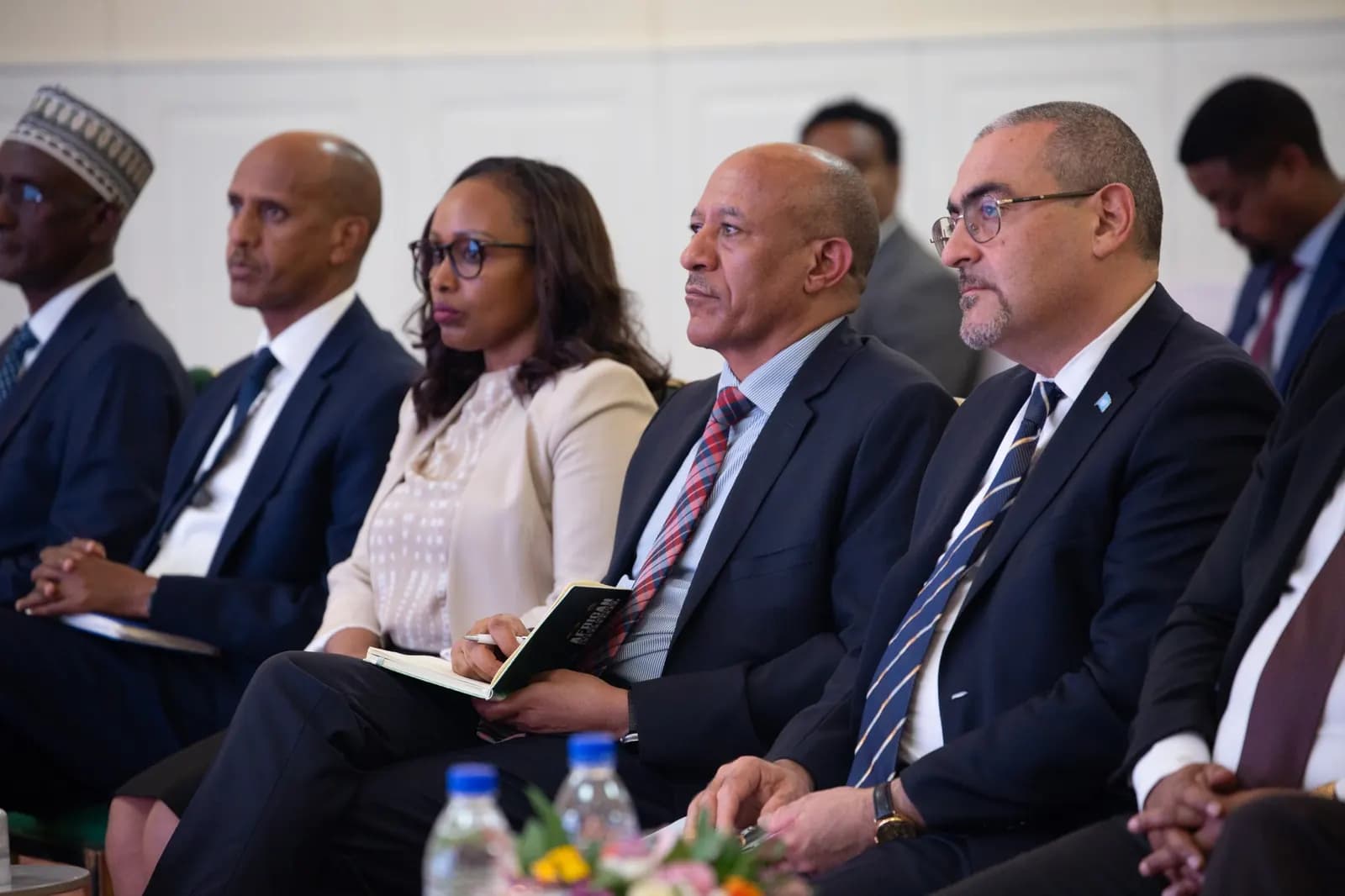
UN Food Systems Summit +4, Addis Ababa, July 2025. Photo: Ministry.

About the ministry

The Ministry of National Strategy is the federal institution responsible for national planning, public investment management, and the monitoring and evaluation of development plans, policies, programmes and projects.

Vision, mission and values

Vision

Our vision is to make Ethiopia an African beacon of prosperity, where the aspirations and dreams of its people are realized, and every citizen enjoys a high quality of life.

Mission

Our mission is to provide comprehensive policy analysis, guidance, and support to drive the multidimensional development endeavors of our country.

Values

  • Communication
  • Professionalism
  • Integrity
  • Drive
  • Innovation
  • Excellence

What the ministry does

  • Policy analysis and guidance

    The Ministry of National Strategy conducts policy analysis and provides guidance on various aspects of development, including economic development, social development, demographic development, spatial development, environmental development, and institutional development. Through comprehensive research and analysis, the ministry formulates policies to promote sustainable and inclusive development.

  • Evaluation and monitoring

    The ministry conducts periodic evaluations and monitoring of development plans to assess their progress and effectiveness. Through rigorous analysis and assessment, the ministry identifies areas of improvement, evaluates the impact of development interventions, and makes recommendations for future planning and implementation.

  • Project appraisal and selection

    The ministry is responsible for appraising, reviewing, selecting, and prioritizing public development projects. It ensures that these projects align with the medium and long-term national development goals and targets. Through a comprehensive evaluation process, the ministry ensures that resources are allocated efficiently and effectively to projects that contribute significantly to social and economic development.

  • Monitoring and evaluation of projects

    The ministry carries out monitoring and evaluation (M&E) of public development projects to ensure their successful implementation. By assessing project performance, identifying challenges, and recommending corrective measures, the ministry aims to enhance project outcomes and maximize their impact on national development.

  • Stakeholder engagement and coordination

    The ministry engages and coordinates with various stakeholders, including government agencies, international organizations, civil society, and the private sector. By fostering partnerships and collaboration, the ministry promotes synergies and coordinated efforts towards achieving national development objectives.

  • Knowledge sharing and best practices

    The ministry organizes and facilitates the sharing of best practices observed in development project implementation. By promoting experience sharing across different sectors, the ministry encourages effective collaboration and learning among stakeholders. This fosters innovation, efficiency, and effectiveness in the planning and execution of development projects.

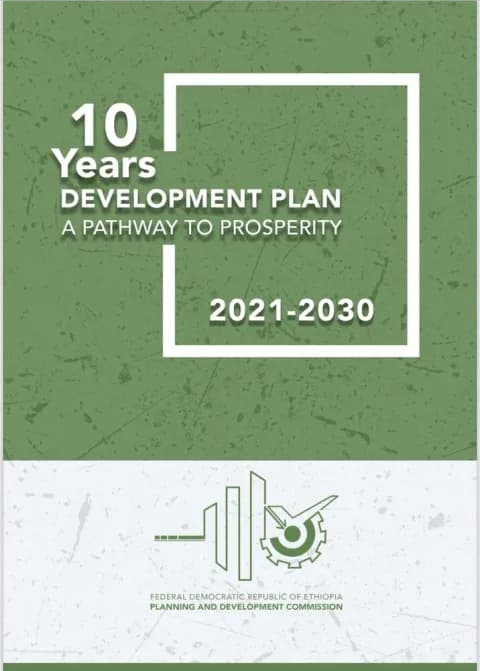
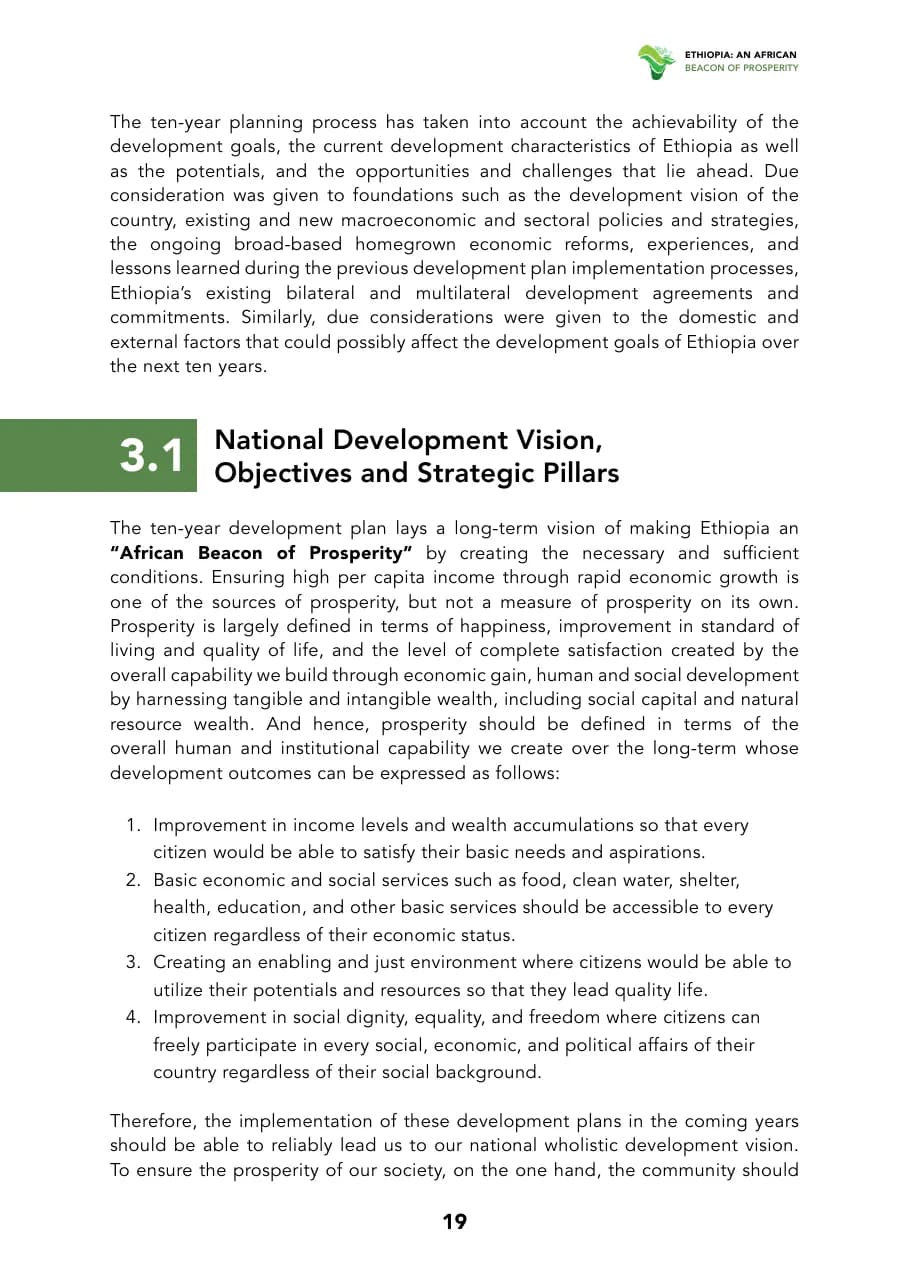
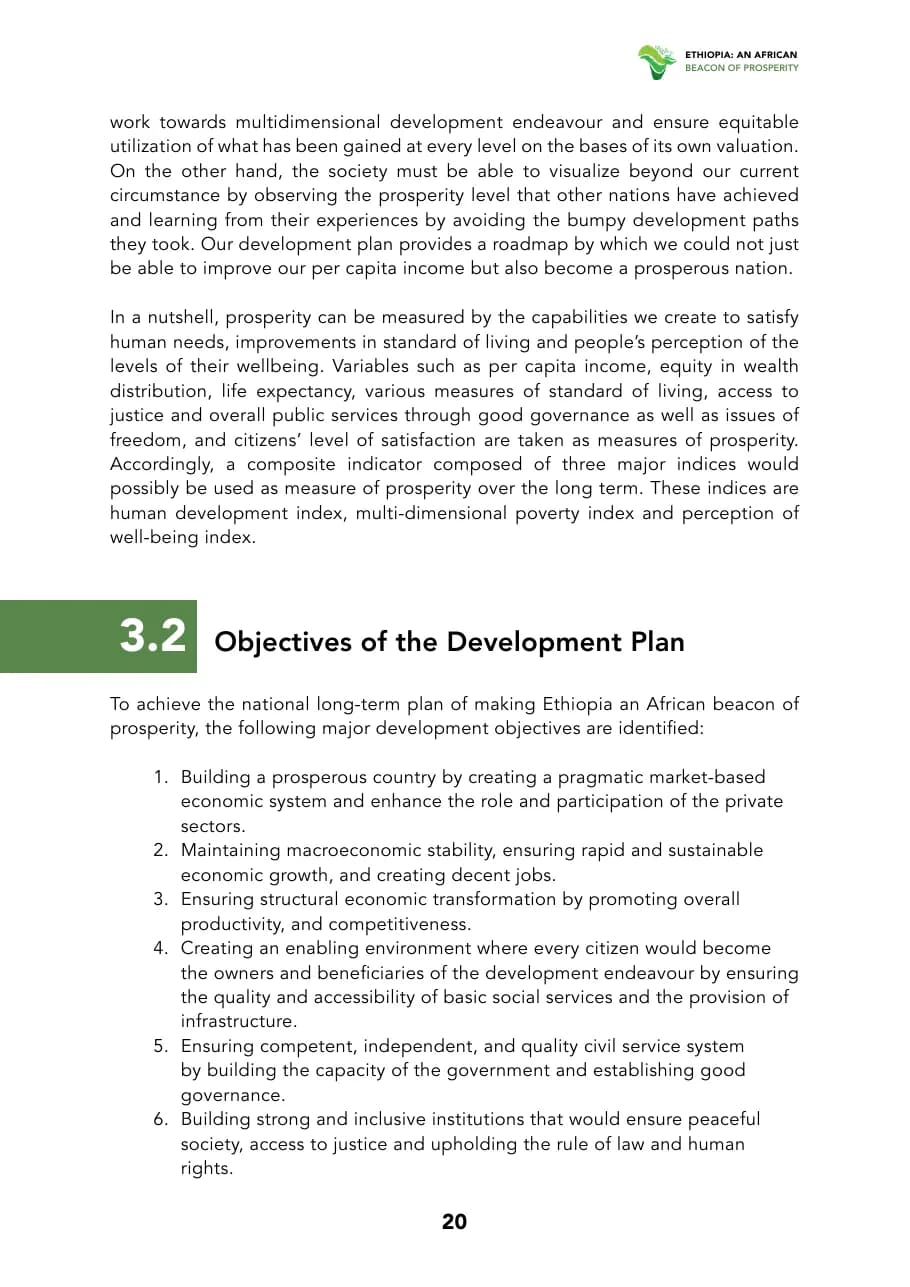
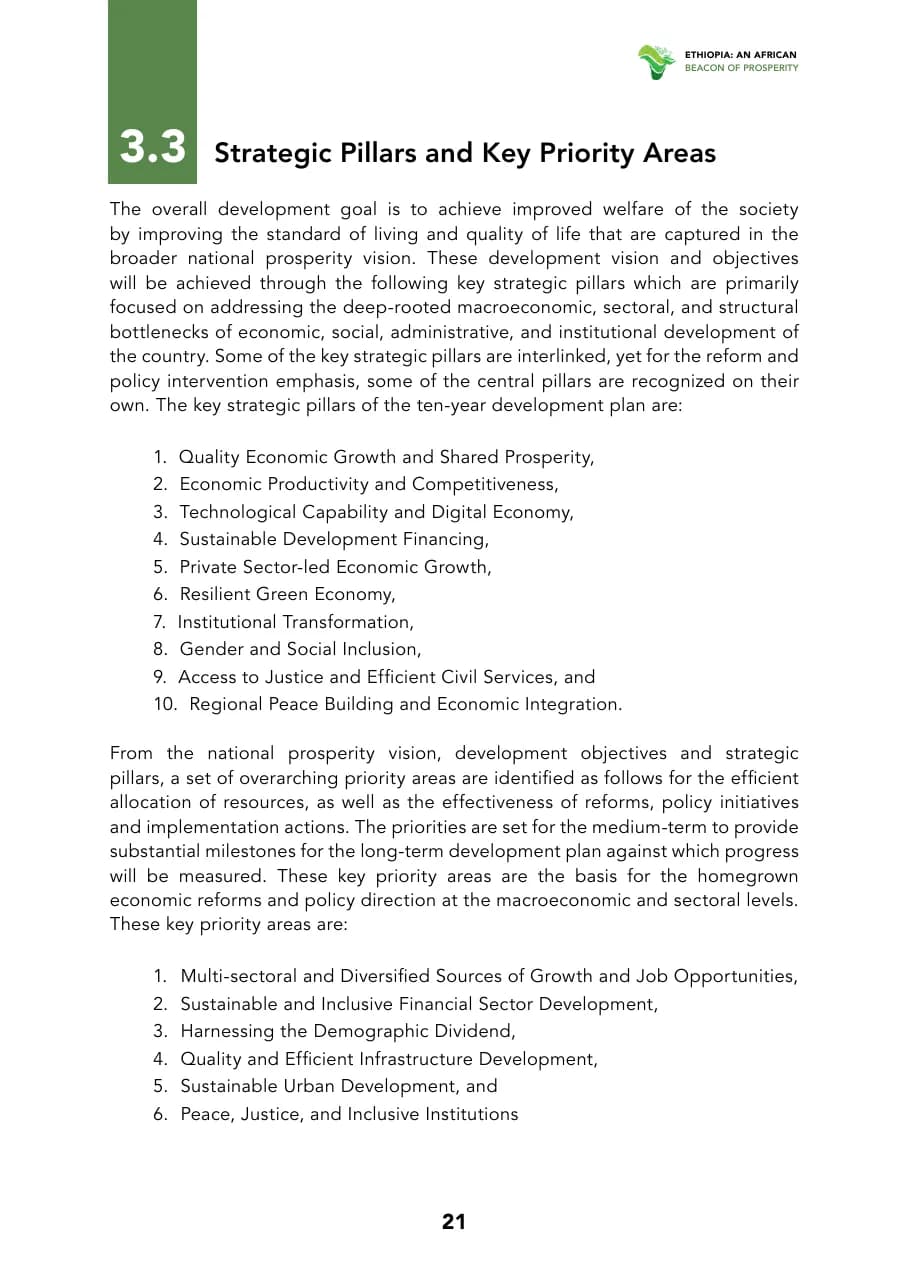
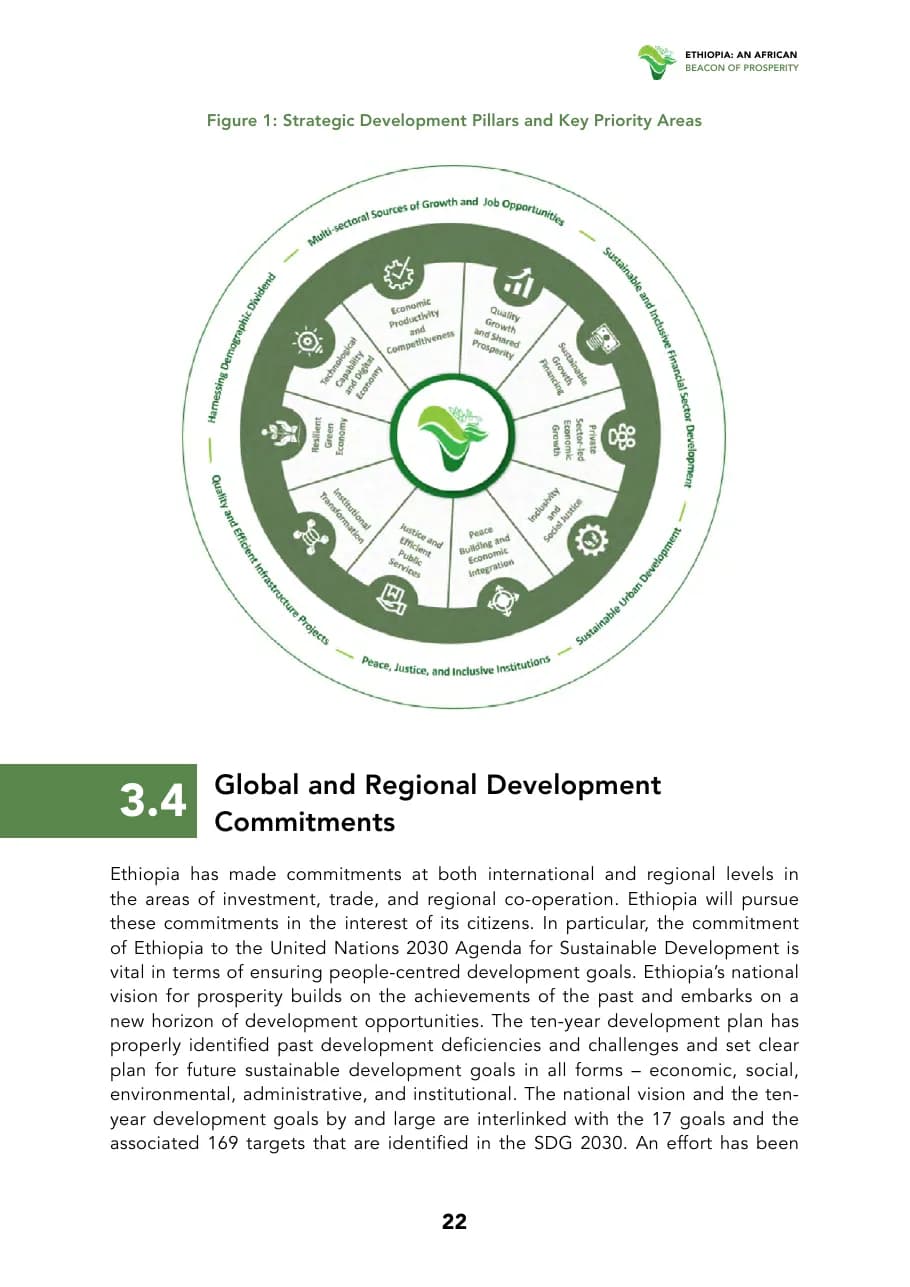
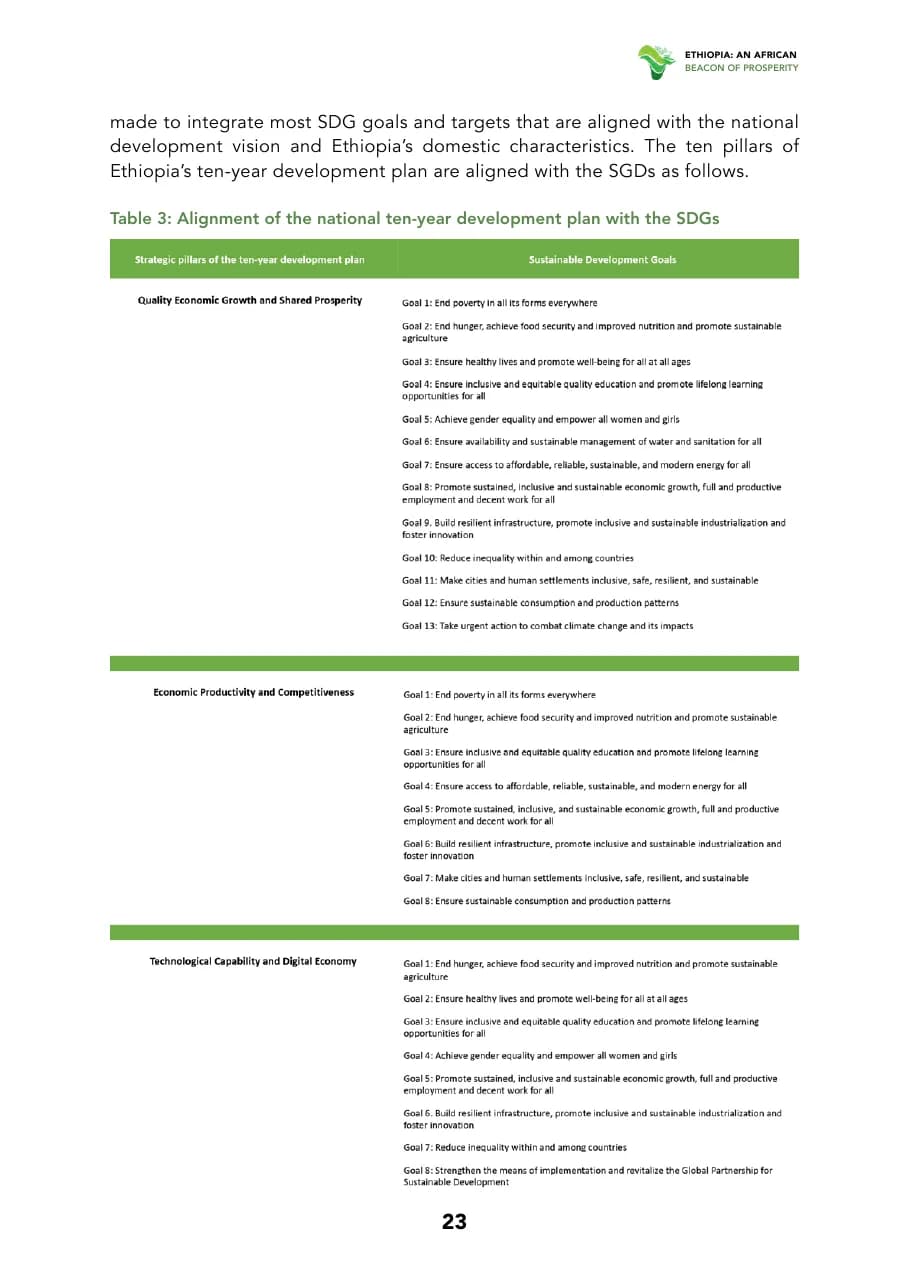
Ten-Year Development Plan: A Pathway to Prosperity, 2021–2030

The national plan in force. It sets out Ethiopia’s objectives and strategic pillars for the decade, covering economic growth, poverty reduction, sectoral development, energy, innovation and human resources.

Today on the decade 
Front cover
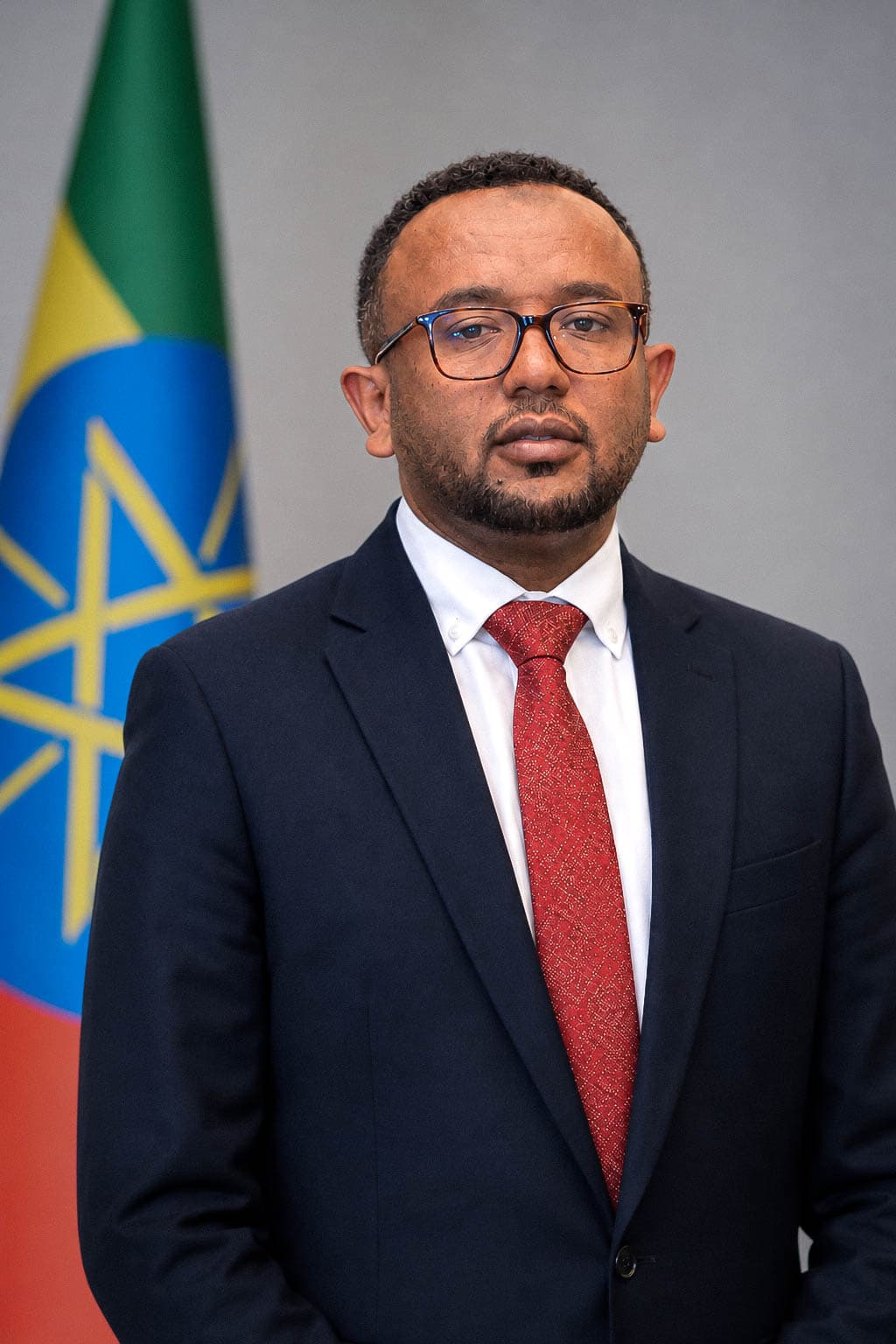
Official portrait of H.E. Bereket Fesehatsion

Minister

An economist and public policy specialist with more than fifteen years in public investment management, development planning and strategic advisory. Appointed Minister in October 2026, after serving as State Minister from September 2024.

Digital systems

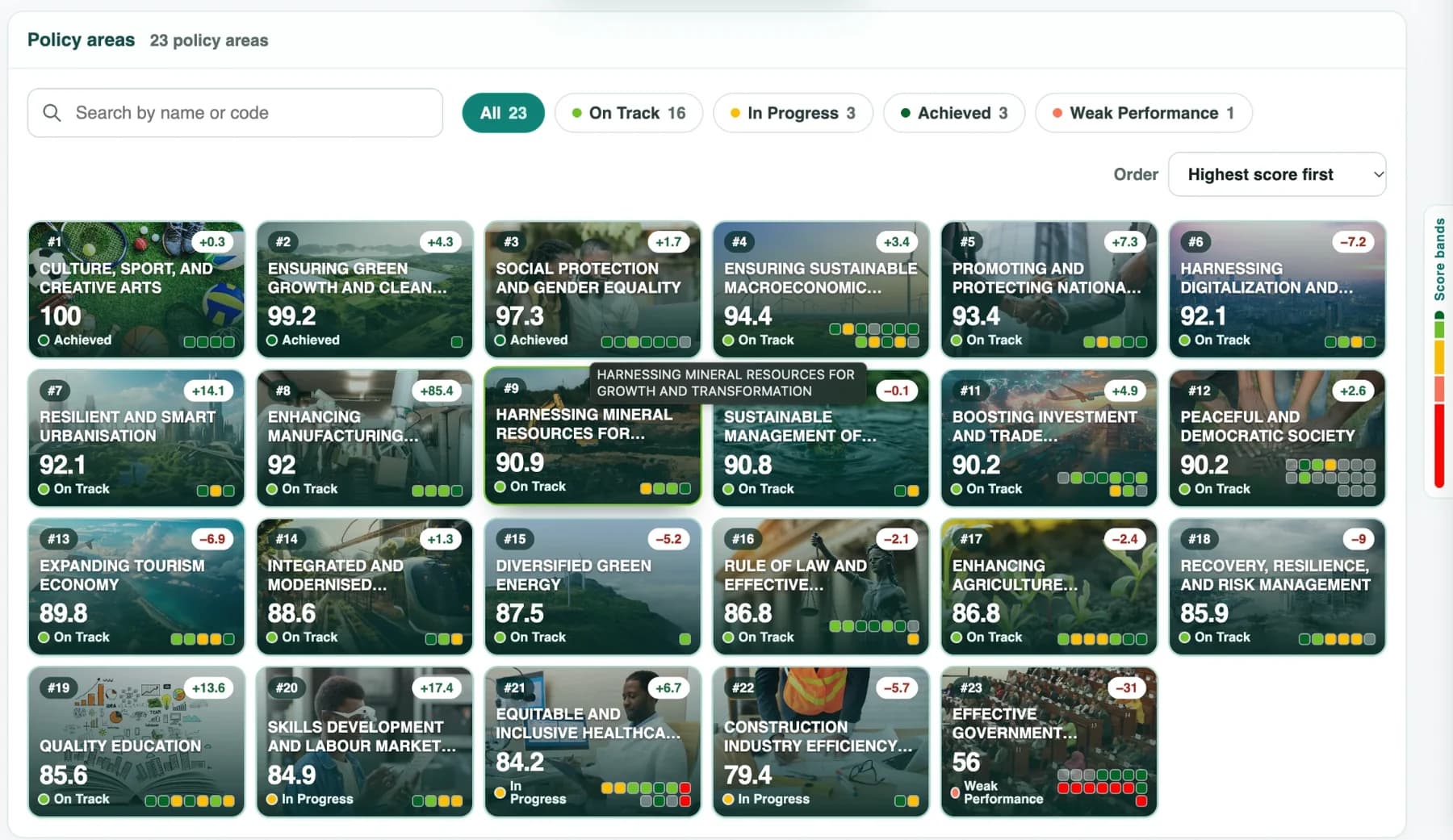
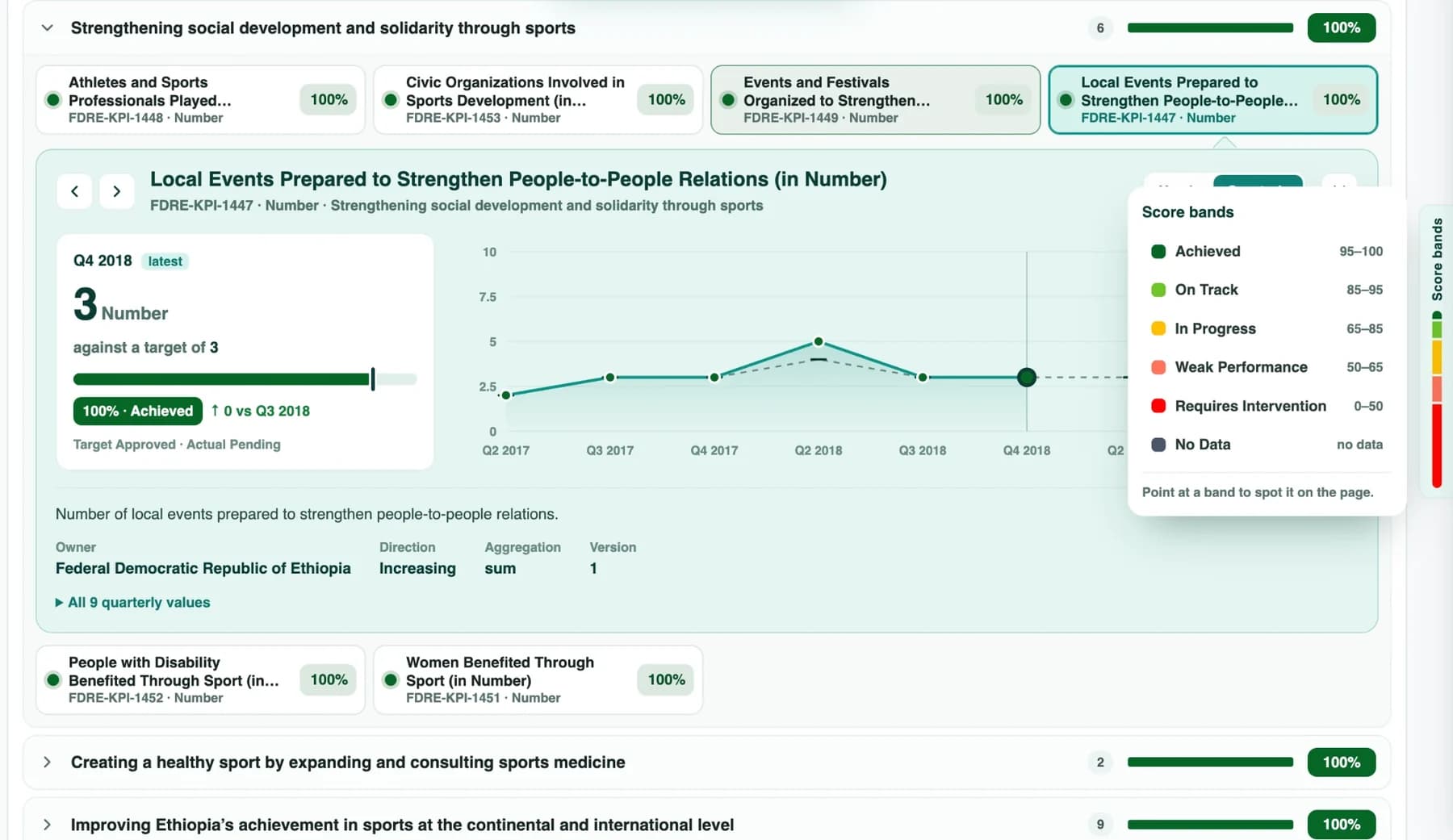
The system's Policy areas view: 23 policy areas shown as cards, each with its score, its status such as On track, Achieved or In progress, and its change since the last period
Policy areas: 23 areas with their scores and status.

Digital Planning, Monitoring and Evaluation System

One national system for planning, tracking and evaluating Ethiopia's development results.

The Government of Ethiopia plans, monitors and evaluates its development agenda in DPMES. More than 110 federal and regional institutions report into one set of national indicators, and every figure is checked and approved before it becomes official.

  • One indicator catalogueShared definitions for every institution.
  • Plans that cascadeNational goals linked to sector, regional and local targets.
  • Approved resultsEvery figure is checked before it is published.
  • Scorecards and dashboardsPerformance against plan, from national pillar to source record.

ADMAS Automated Digital Monitoring and Analysis System

Verified national performance data, with AI assistance, in the hands of decision makers.

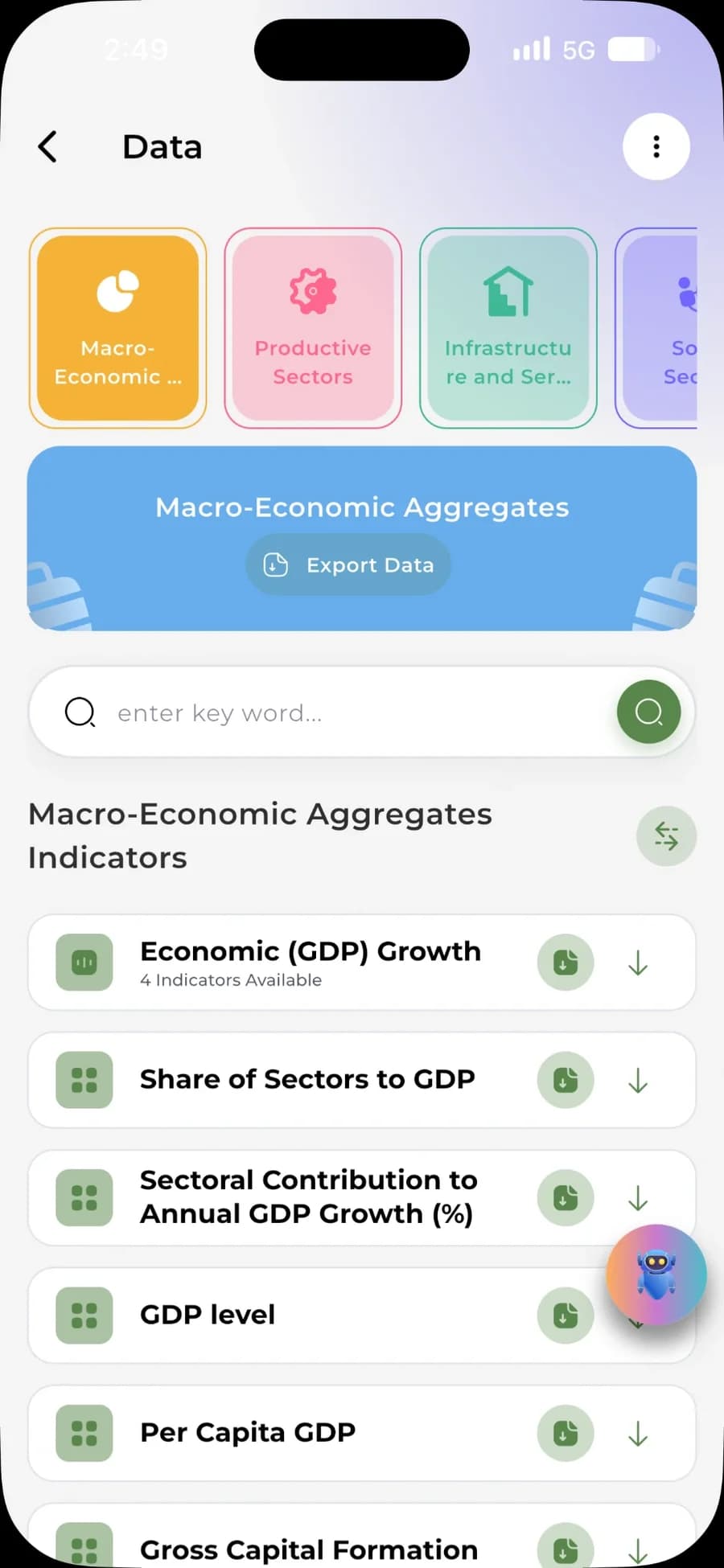
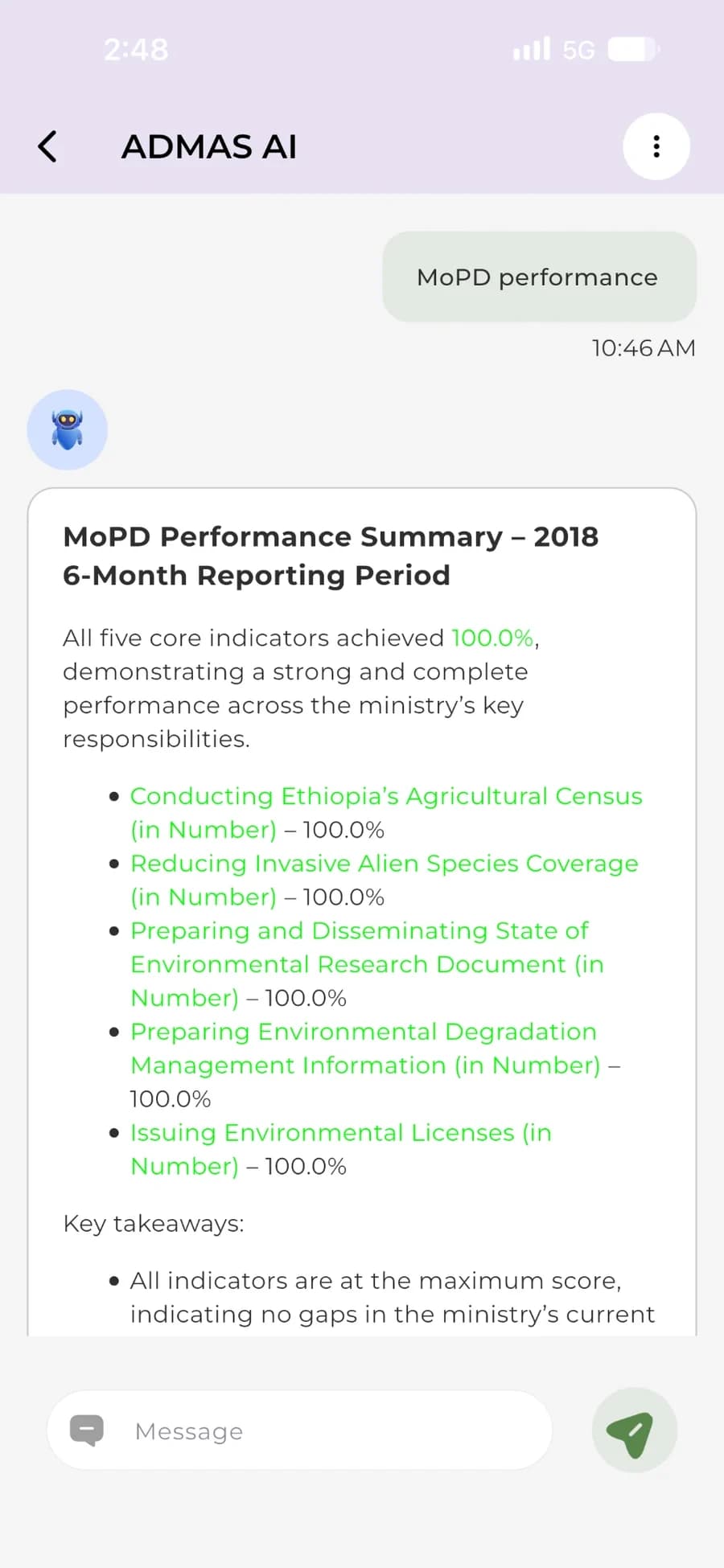
ADMAS puts DPMES on the phones of ministers and senior officials, as a mobile app and a web Data Hub. Every figure is the officially approved DPMES value, and an AI assistant answers questions in plain language, summarises progress and flags what is off track.

  • Official data onlyThe same approved figures as DPMES.
  • Ask, don't digPlain-language questions, answered.
  • Track the planGoal and indicator status, with alerts when results slip.
  • Mobile and webAn app for officials, and the Data Hub online.

For ministers and senior officials

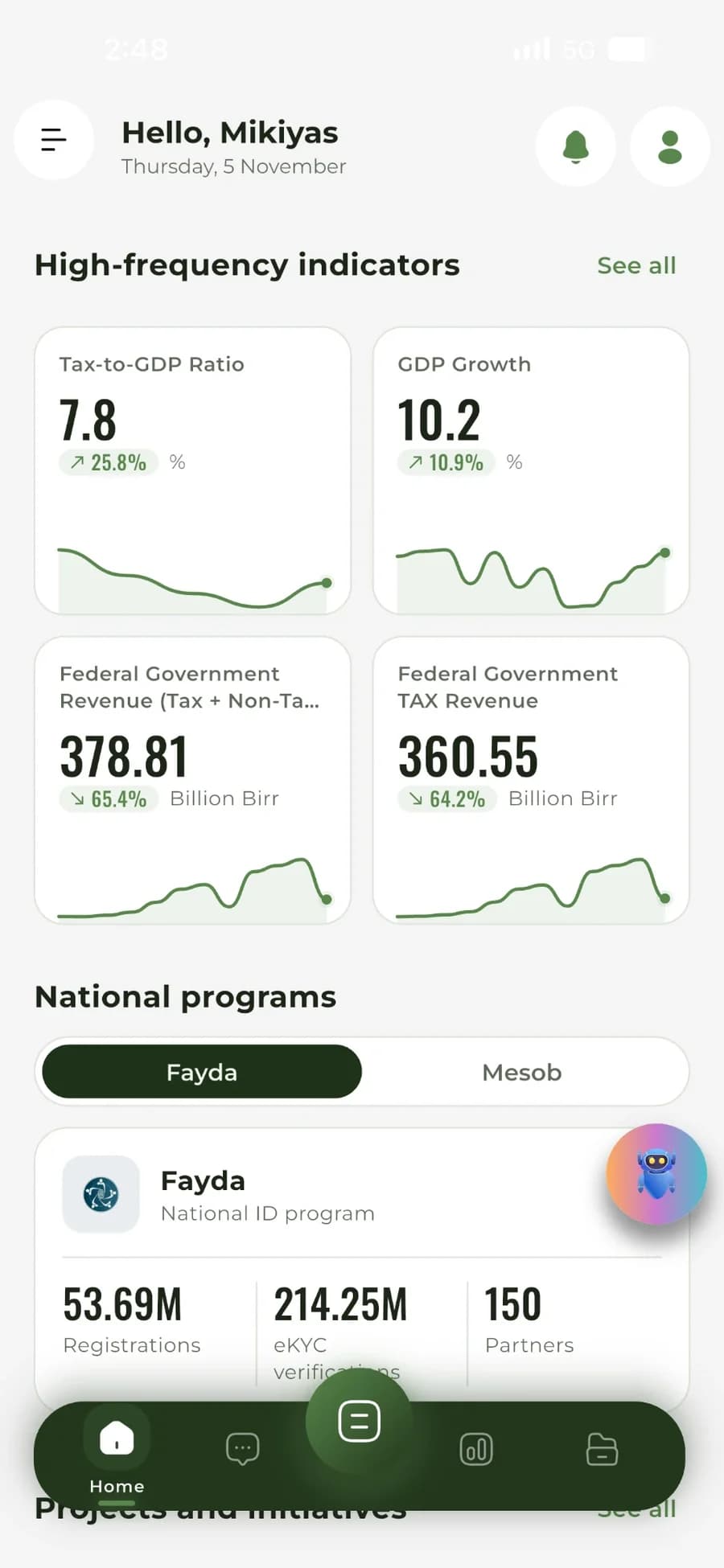
ADMAS home screen: four high-frequency indicator cards with sparklines, such as GDP growth and federal revenue, and a national programmes panel
Home: high-frequency indicators and national programmes.

Digital platforms

All platforms

Rebased GDP Ethiopia’s GDP on the 2024/25 base year

The same economy, measured better.

Rebasing moves the base year from 2015/16 to 2024/25 and counts activity the old series could not see, from two national censuses and international standards. GDP for 2017 EFY is now estimated at ETB 24.03 trillion, up from 15.09.

In US dollars
201.4 Bn
In Africa
5th
Growth, 2018 EFY
7.7%

Figures as published by the Ministry of National Strategy, November 2026.

Under the old measure, base year 2015/16, GDP for 2017 EFY was ETB 15.09 trillion. Rebased to 2024/25, with two national censuses and SNA 2008 standards, it is ETB 24.03 trillion: a revision of 59.2%, not growth. Newly counted activity includes informal mining, small workshops, new transport activity, hotels and restaurants, private clinics, FinTech and interest-free banks, state-owned enterprises and non-profit institutions.

Strategies and publications

All publications

Dates are Gregorian. File sizes were measured from the published files on 29 October 2026. Each title opens a summary page before the download.